One Piece Chapter 1193 Bahasa Indonesia

SPOILER ONE PIECE 1193

⚠️SPOILER ALERT⚠️
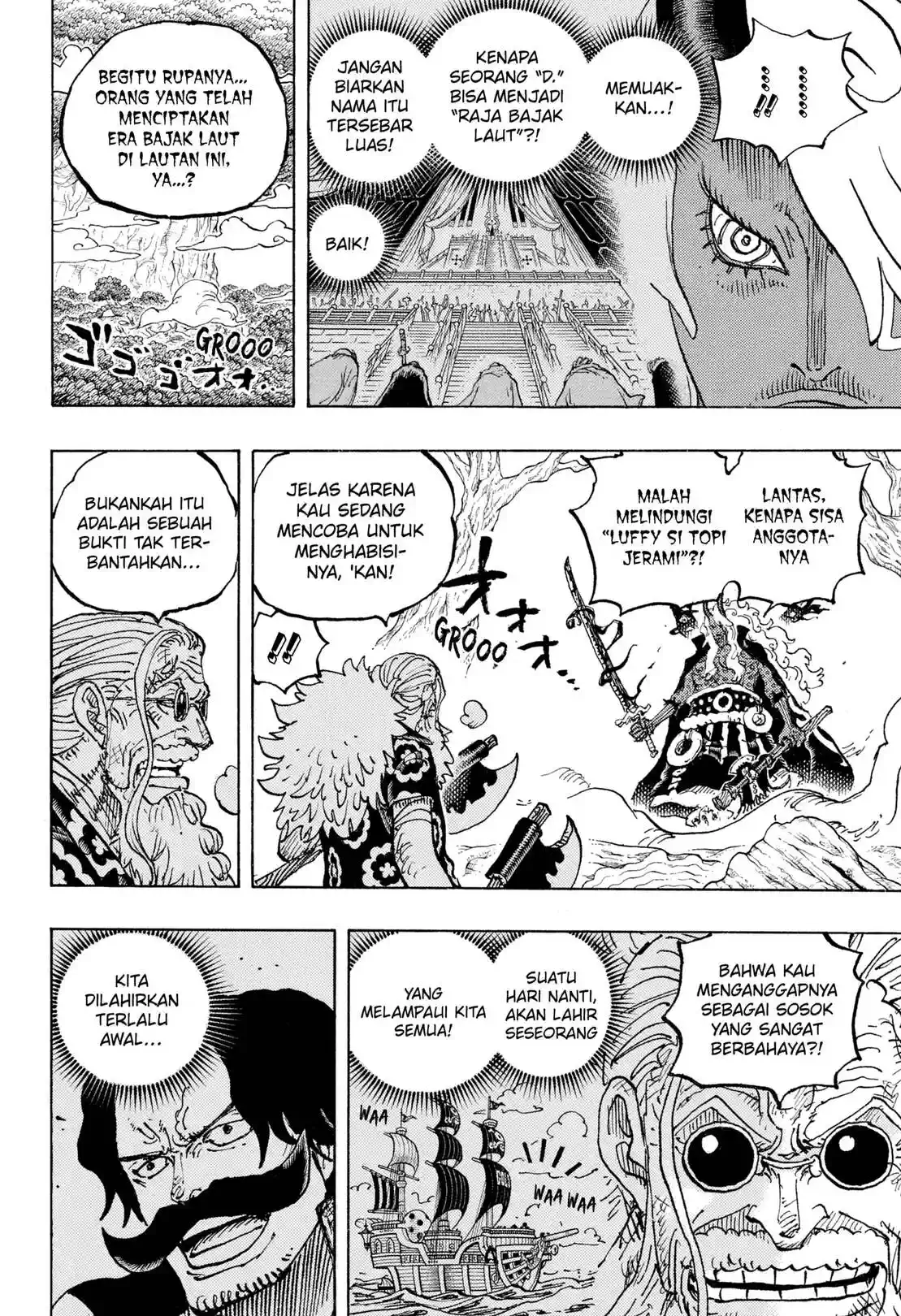
#OnePiece1193 : “AKU MASIH BERLATIH”

HALAMAN SAMPUL : KING/ALBER DAN SEEKOR ANJING RAKUN.

– LOKI AKAN BERUBAH MENJADI BENTUK HIBRID-NYA, TETAPI KITA BELUM BISA MELIHATNYA (HANYA SILUET DI BAB INI).

– LUFFY KEHABISAN TENAGA DAN JATUH KE TANAH KARENA KELELAHAN

– GUNKO AKHIRNYA TERBANGUN.

– BIBLO INGIN MENUNJUKKAN SESUATU YANG ISTIMEWA KEPADA ROBIN, CHOPPER, DAN YANG LAINNYA DI PERPUSTAKAAN.

– SANJI VS KILLINGHAM DAN ZORO VS SOMMERS.

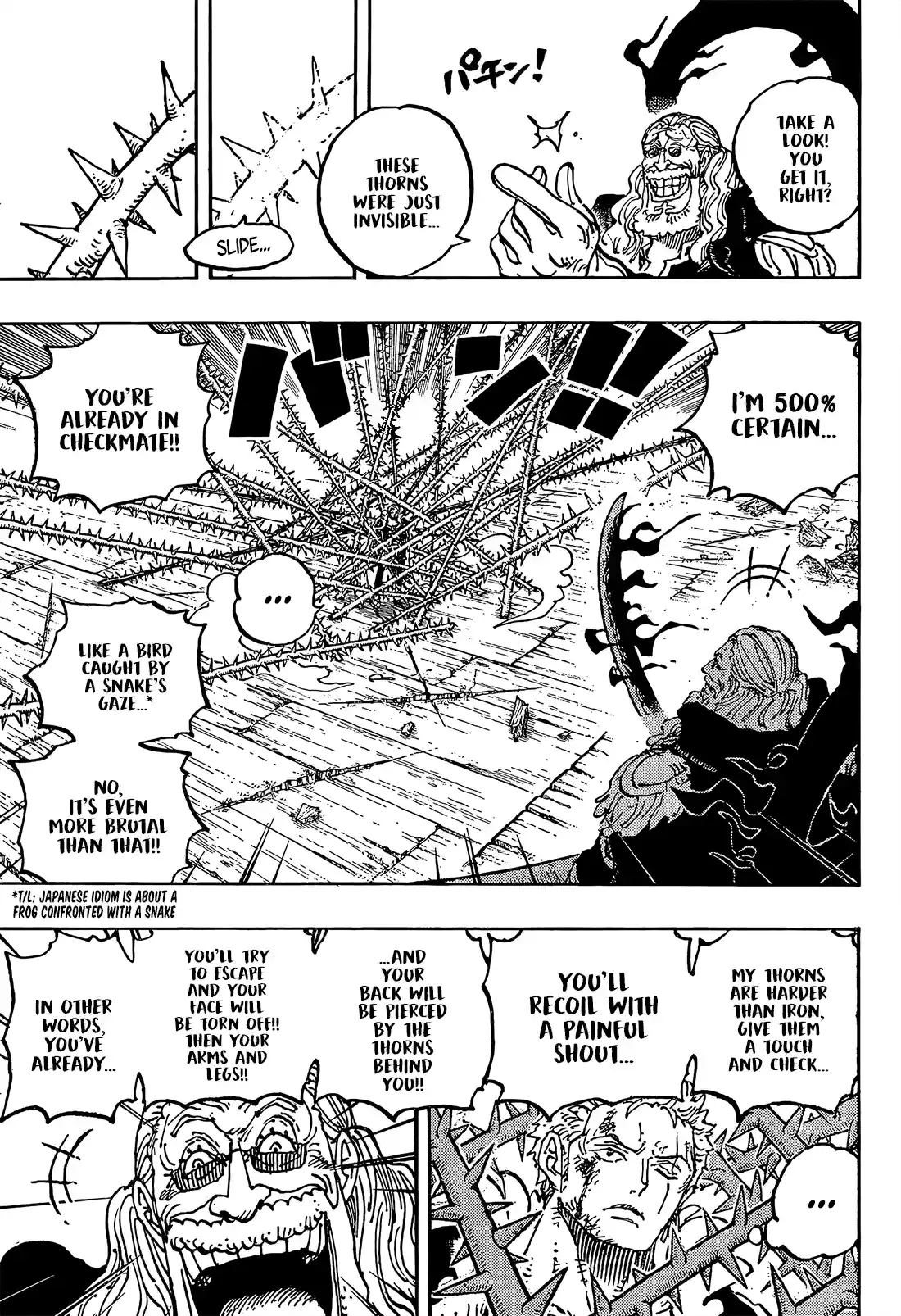
– ZORO DIKELILINGI DURI SAAT DIA SEDANG MEMIKIRKAN CARA MENGGUNAKAN HAKI PENAKLUK DALAM SERANGANNYA UNTUK MENGALAHKAN SOMMERS.

– SOMMERS MENYERANG ZORO, TETAPI TIBA-TIBA SEMUA DURINYA TERPOTONG. LALU ZORO MENUSUK TUBUH SOMMERS DENGAN PEDANGNYA, HAMPIR MENGENAI JANTUNGNYA.

CHAPTER BERAKHIR DENGAN SOMMERS YANG KETAKUTAN.

ZORO: “OH, MAAF!! AKU MASIH BERLATIH.”

– AKHIR BAB.

MINGGU DEPAN LIBUR KARENA TIDAK AKAN ADA PERILISAN MAJALAH SHONEN JUMP UNTUK LIBURAN SILVER WEEK.


#onepiece #luffy #loki #usopp

One Piece berwarna 1193 1194 1195 bahasa indonesia

One Piece Chapter 1192 Bahasa Indonesia

spoiler one piece 1192

⚠️SPOILER ALERT⚠️
#OnePiece1192 : “KITA TIDAK AKAN PERNAH MEMAAFKANNYA.”

HALAMAN SAMPUL: FRANKY DAN BEBERAPA ANJING.

– IMU TERLEMPAR JAUH KARENA SERANGAN GABUNGAN LUFFY, LUKI, HAJRUDIN DI CHAPTER SEBELUMNYA,

– LUFFY DAN LOKI MENGEJAR IMU.

– IMU MENGELUARKAN PERISAI “KEKOSONGAN”, DAN PUKULAN LUFFY DIHALANGI OLEH PERISAI TERSEBUT, MENYEBABKAN TANGANNYA BERDARAH.

GABAN MEMBERITAHU LUFFY UNTUK LARI, DAN MENGATAKAN TIDAK ADA GUNANYA MELANJUTKAN PERTEMPURAN SEPERTI INI.

USOPP tiba-tiba muncul di bahu Hajrudin dan mengatakan bahwa mereka tidak bisa lari dari Elbaph dan meninggalkan para raksasa ketika para raksasa telah membantu mereka di masa lalu.

GABAN: “dari mana orang ini tiba-tiba muncul…?”

USOPP mengatakan dia tidak peduli tentang Joyboy, Nika, atau bahkan Gold Roger. Dia juga mengatakan tidak masalah jika para Giants percaya Luffy adalah dewa.

– USOPP: “JIKA MEREKA BERUSAHA MERAMPAS KEBEBASAN LUFFY UNTUK MENYELAMATKAN ELBAPH, KAMI TIDAK AKAN PERNAH MEMAAFKAN MEREKA!!”

– Luffy menempelkan dirinya ke palu Ragnir, dan Loki mengayunkan Ragnir, membuat Luffy terlempar bersama petir.

– Luffy menembus perisai kekosongan Imu dengan “Gomu Gomu no Dawn Thor Bullet”, dan mata Imu berubah putih. Kita bisa melihat perut Imu meregang seolah terbuat dari karet 😆 (seperti serabgan Luffy ke Kaido dan Kizaru)

– MINGGU DEPAN TIDAK LIBUR 🤩🔥

#onepiece #luffy #loki #usopp

One Piece berwarna 1192 1193 1194 bahasa indonesia

Whales: Giants of the Ocean

Whales: Giants of the Ocean

Whales are among the largest and most remarkable animals on Earth. These marine mammals live in oceans around the world, from warm tropical waters to the cold seas surrounding the poles.

Life Beneath the Surface

Although whales spend their lives in water, they breathe air through blowholes located on top of their heads. They must regularly return to the surface to breathe before diving again in search of food or traveling through the ocean.

Whales are warm-blooded, give birth to live young, and nurse their calves with milk. A thick layer of fat called blubber helps protect them from cold water and stores energy during long migrations.

Two Main Groups

Whales are generally divided into baleen whales and toothed whales. Baleen whales filter small animals from the water using flexible plates inside their mouths. This group includes blue whales, humpback whales, and gray whales.

Toothed whales use teeth to catch fish, squid, and other prey. Many of them also use echolocation, producing sounds and listening for returning echoes to understand their surroundings. Sperm whales, belugas, and orcas belong to this group.

The Blue Whale

The blue whale is the largest known animal to have ever lived. An adult can grow longer than a city bus and weigh well over one hundred tonnes. Despite its enormous size, it feeds mainly on tiny crustaceans called krill.

Communication and Migration

Whales communicate using clicks, whistles, pulses, and complex songs. Some sounds can travel across great distances underwater. Humpback whales are especially famous for their long, patterned songs.

Many species migrate thousands of kilometres each year. They often feed in cold, nutrient-rich waters before traveling to warmer regions where they mate and give birth.

Protecting Whales

Commercial hunting once caused severe declines in many whale populations. Today, whales also face threats from fishing gear, ship collisions, underwater noise, pollution, and changes to ocean ecosystems.

Conservation programs, safer fishing practices, protected habitats, and international cooperation can help whale populations recover. Protecting whales also supports healthier oceans because these animals play an important role in marine food webs and nutrient cycles.

Whales: Giants of the Ocean

Whales: Giants of the Ocean

Whales are among the largest and most remarkable animals on Earth. These marine mammals live in oceans around the world, from warm tropical waters to the cold seas surrounding the poles.

Life Beneath the Surface

Although whales spend their lives in water, they breathe air through blowholes located on top of their heads. They must regularly return to the surface to breathe before diving again in search of food or traveling through the ocean.

Whales are warm-blooded, give birth to live young, and nurse their calves with milk. A thick layer of fat called blubber helps protect them from cold water and stores energy during long migrations.

Two Main Groups

Whales are generally divided into baleen whales and toothed whales. Baleen whales filter small animals from the water using flexible plates inside their mouths. This group includes blue whales, humpback whales, and gray whales.

Toothed whales use teeth to catch fish, squid, and other prey. Many of them also use echolocation, producing sounds and listening for returning echoes to understand their surroundings. Sperm whales, belugas, and orcas belong to this group.

The Blue Whale

The blue whale is the largest known animal to have ever lived. An adult can grow longer than a city bus and weigh well over one hundred tonnes. Despite its enormous size, it feeds mainly on tiny crustaceans called krill.

Communication and Migration

Whales communicate using clicks, whistles, pulses, and complex songs. Some sounds can travel across great distances underwater. Humpback whales are especially famous for their long, patterned songs.

Many species migrate thousands of kilometres each year. They often feed in cold, nutrient-rich waters before traveling to warmer regions where they mate and give birth.

Protecting Whales

Commercial hunting once caused severe declines in many whale populations. Today, whales also face threats from fishing gear, ship collisions, underwater noise, pollution, and changes to ocean ecosystems.

Conservation programs, safer fishing practices, protected habitats, and international cooperation can help whale populations recover. Protecting whales also supports healthier oceans because these animals play an important role in marine food webs and nutrient cycles.